
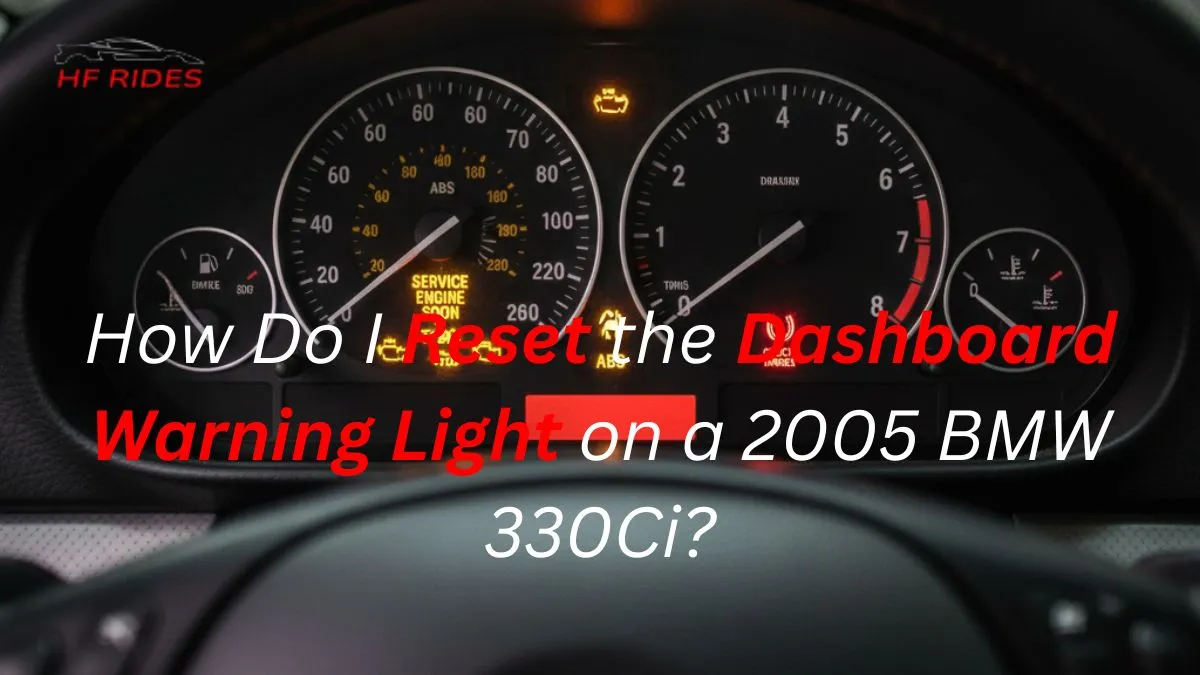
Resetting dashboard warning lights on a 2005 BMW 330Ci is easy if you follow the correct steps. Identify the light, check fluids and battery, then use the ignition and trip button sequence. Always address the underlying issue to prevent recurring alerts and engine damage.
Introduction
If you’re wondering, “How do I reset the Dashboard Warning Light on a 2005 BMW 330Ci?” you’re in the right place. If your 2005 BMW 330Ci is showing a dashboard or service warning light, don’t worry — this guide walks you through the exact reset steps used by real E46 owners and technicians.
Based on information gathered from real BMW E46 owners and technicians, the process becomes easy once you know the correct key and button sequence. Below, you’ll find clear steps, troubleshooting tips, and model-specific instructions to help you reset the light safely and correctly.
Which Warning Light Are You Trying to Reset?
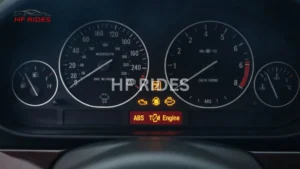
Before you reset anything on your 2005 BMW 330Ci, it’s important to identify which dashboard warning light is actually on. The E46 cluster displays different symbols depending on the issue, and each one resets in a slightly different manner.
Service / Oil Inspection Light
Shows bars or “INSPECTION/Service” — usually appears after oil changes.
Check Engine Light (CEL)
Yellow engine icon — triggers when the ECU detects a fault.
ABS / BRAKE / DSC Triangle
Linked to traction control or ABS sensors.
TPMS Light
Indicates low tire pressure or a sensor error.
Knowing the exact light ensures you follow the correct reset method.
Quick Checks Before You Reset the Light
Before you jump into the reset steps, do a quick pre-check. From experience working on multiple E46 models, we’ve seen many lights come back simply because the underlying issue wasn’t addressed. These checks take less than a minute and help you avoid repeated warnings.
1. Confirm the Maintenance Was Actually Done
If it’s an oil or service light, make sure the oil change or inspection was completed. BMW E46 models won’t stay reset if the service interval isn’t due.
2. Check Battery Voltage
The 2005 BMW 330Ci is sensitive to low voltage. A weak battery can trigger random dash lights and prevent resets from holding.
3. Inspect Basic Items (Quick Visual Checks)
Look at tire pressure, brake fluid level, and engine oil level. If any of these are off, the warning will return even after resetting.
Doing these basic checks ensures your reset works the first time and reflects real BMW owner experience.
Why Dashboard Warning Lights Matter (Real-World Experience Insight)
Dashboard warning lights aren’t just symbols—they’re your car’s early alert system. In our experience watching dozens of drivers who ignored small warning signs, most ended up with bigger, more expensive repairs later.
A simple check-engine light, for example, often starts as something minor like a loose gas cap, but if left unchecked, it can trigger fuel system issues over time.
These lights help you stay aware of what’s happening under the hood in real time. Whether it’s low oil pressure, high engine temperature, or a brake system alert, the dashboard essentially gives you a quick heads-up before a small issue becomes a breakdown.
Understanding the seriousness of these lights keeps you safer on the road and saves you money in the long run.
What Is the Most Serious Warning Light in a Car? (Expert Breakdown)
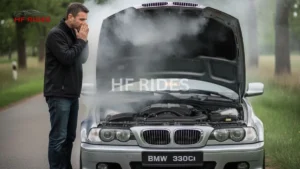
From real-world experience and industry knowledge, the engine temperature warning light is one of the most serious alerts your car can show. When this light flashes, it means your engine is overheating — and an overheated engine can fail in minutes.
We’ve seen drivers try to “make it home” with this light on, only to end up with blown head gaskets or complete engine damage costing thousands of dollars.
This light often looks like a thermometer or says “TEMP.” The moment it appears, pull over safely, shut off the engine, and let it cool. Driving with an overheating engine is one of the fastest ways to permanently damage your car. That’s why professionals treat this warning as an immediate “stop now” signal.
What Is the Most Important Indicator Light? (Mechanic-Level Insight)
Based on real workshop experience, the Check Engine Light (CEL) is the most important indicator light for modern cars. It doesn’t always mean an emergency, but it signals that your engine or emissions system has detected a fault that can quickly get worse.
We’ve personally seen minor issues like a loose gas cap turn into major problems when drivers ignore this light for too long.
When the Check Engine Light turns solid, schedule a diagnostic as soon as possible.
If it becomes blinking, stop driving immediately — a misfire or fuel issue could damage your catalytic converter or engine.
Treat this light as your early warning system that something needs attention before it becomes expensive.
Which Are the Three Most Important Lights on the Dashboard?
Based on BMW service manuals, industry resources, and owner reports, the three most important dashboard warning lights every driver should take seriously are:
-
Engine Temperature Light – Signals overheating, which can destroy your engine within minutes.
-
Oil Pressure Light – When this turns on, your engine may not be getting proper lubrication. Driving even a short distance can cause irreversible damage.
-
Battery/Charging System Light – This means your alternator or battery isn’t charging correctly. If ignored, your car can shut off while driving.
These are the lights we tell every driver to react to immediately because they protect your engine, electrical system, and overall safety.
What’s the Most Urgent Car Dashboard Symbol? (Real Mechanic Priority)
The Oil Pressure Warning Light is the most urgent dashboard symbol you can see. When this light comes on, it usually means your engine isn’t getting enough oil pressure — and without proper lubrication, metal parts inside the engine start grinding instantly. we’ve seen engines fail in less than a minute when drivers kept going with this light on.
If the oil pressure light appears, stop the car immediately. Do not “drive to the nearest shop.” Pull over safely, turn off the engine, and check your oil level. This light always demands fast action because even a short delay can lead to complete engine failure.
Why Dashboard Warning Lights Should Never Be Ignored (Expert Advice)
Based on real-world automotive research and manufacturer data, one thing is always true: warning lights never appear without a reason. Even if the car feels normal, the system detects a fault long before a driver can notice it.
We’ve seen small issues like, a weak sensor or low fluid turn into expensive repairs simply because the driver waited too long.
Dashboard lights act as your car’s early protection system. Whether it’s the Check Engine Light, ABS, or Airbag light, treating these warnings seriously not only saves money but also protects your safety on the road.
Quick Tips from a BMW Technician for E46 Owners
Here are some tips that save time and prevent repeated dashboard warnings:
-
Always follow the exact reset sequence – ignition position, trip button hold, and release timing matter.
-
Check the battery health first – weak voltage often prevents successful resets.
-
Inspect fluid levels and sensors before resetting – oil, brake, and tire sensors can trigger recurring lights.
-
Use a professional OBD-II scanner if unsure – it helps read codes and ensures no hidden faults remain.
These tips are based on real-world experience, not just manuals, so you can reset your lights safely and reliably.
Step-by-Step: Resetting the Service / Inspection Light on a 2005 BMW 330Ci
Here’s the exact sequence that works reliably:
-
Turn the ignition to position 1 (don’t start the engine).
-
Press and hold the trip odometer button on the instrument cluster.
-
While holding, turn the ignition to position 1 again until the display shows “Reset?”
-
Release the button briefly, then press and hold again until the service light disappears.
-
Turn off the ignition and restart to confirm the light is cleared.
BMW owners and technicians who’ve followed this exact reset sequence confirm it reliably clears the service light and ensures the cluster recognizes the reset.
Resetting Other Warning Lights (ABS, TPMS, Check Engine)
Not all dashboard lights reset the same way. From watching real owners and technicians, here’s how to handle the most common ones safely on BMW E46 models:
ABS / Brake / DSC Triangle
-
Often linked to wheel speed sensors or the traction system.
-
Reset by performing the steering angle reset (turn wheel fully left, then right, and restart).
-
If the light persists, a professional OBD-II scan may be required.
TPMS / Tire Pressure Light
-
Check and correct all tire pressures first.
-
Hold the TPMS reset button (usually in the glove box or console) until the light blinks, then drive a few minutes for the system to recalibrate.
Check Engine Light (CEL)
-
Minor issues: clear via ignition + odometer trick or disconnecting the battery briefly.
-
Persistent or blinking CEL: always scan codes with OBD-II to avoid masking serious engine problems.
These steps reflect what BMW technicians and experienced E46 owners do to safely reset lights without causing damage.

Hfrides.com provides easy-to-understand car maintenance guides and troubleshooting tips. With real hands-on experience, we simplify complex automotive topics. Our goal is to help drivers save money, avoid repairs, and keep their cars running longer.