Why Proper Tire Pressure Matters
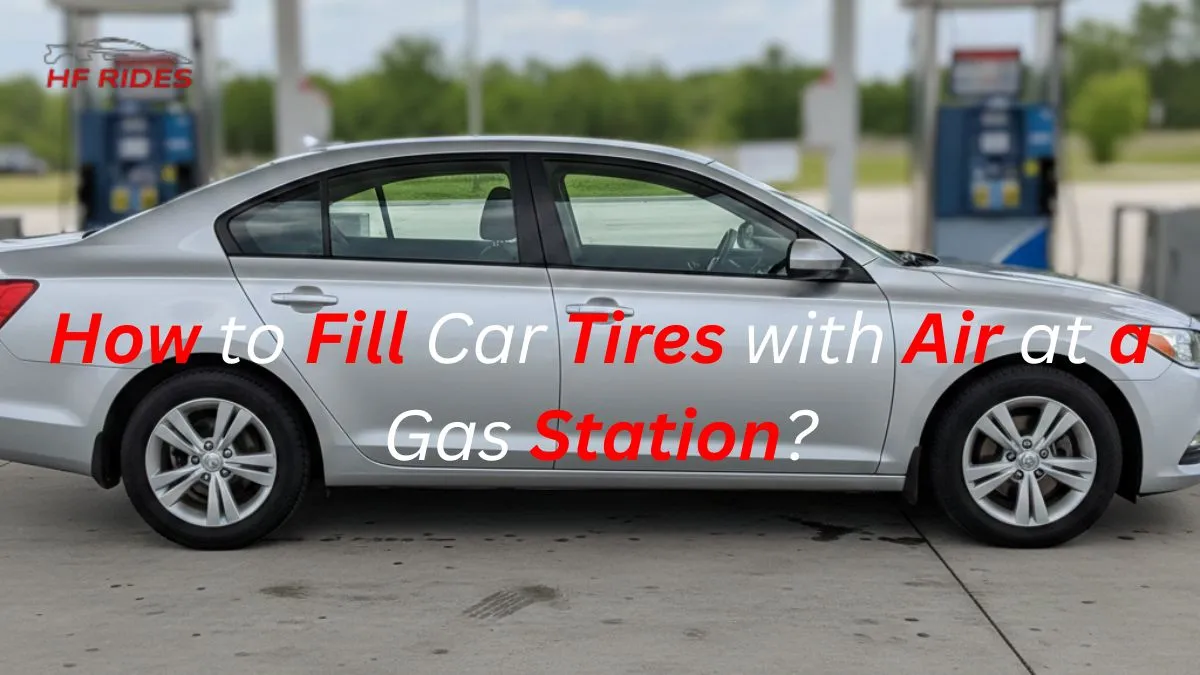
Proper tire pressure keeps your car safe, stable, and fuel-efficient. When your tires are inflated to the correct PSI, your vehicle handles better, brakes more smoothly, and reduces the risk of a blowout.
Underinflated tires can cause uneven wear and poor gas mileage, while overinflated tires may reduce traction and ride comfort. Keeping the right air pressure not only protects your tires but also improves overall driving safety and performance.
What You Need Before You Fill Your Tires
Before using a gas station air pump, make sure you have a few basic things ready. First, know your recommended tire pressure (PSI), which you can find on the driver-side door sticker.
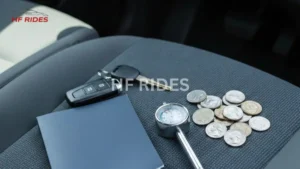
If the air machine doesn’t show pressure automatically, bring a simple tire pressure gauge. You may also need coins or a credit card, depending on the station. Always park safely on a flat surface and turn off your engine before starting.
How to Find Your Recommended Tire Pressure
Your car’s recommended tire pressure is not the number printed on the tire sidewall. Instead, check the sticker inside the driver-side door jamb. It lists the correct PSI for front and rear tires.
You can also find this information in your owner’s manual. Always check tire pressure when the tires are cold, as driving heats them and can give an inaccurate reading.
Step-by-Step: Filling Your Tires at a Gas Station
Start by parking your car close to the air pump so the hose can easily reach all four tires. Turn off the engine and remove the valve cap from the first tire.
Attach the air hose firmly to the valve stem and add air in short bursts. Check the PSI on the machine display or with your gauge, then adjust as needed. Replace the valve cap and repeat for the remaining tires.
Common Mistakes to Avoid at Gas Stations
One common mistake is using the PSI number printed on the tire sidewall instead of the recommended pressure on the door sticker. This can lead to overinflation and reduced traction.
Another mistake is adding air for too long without checking the pressure. Always inflate in short bursts and recheck the PSI to avoid damaging the tire. Don’t forget to securely replace the valve cap after finishing.
Many drivers rush to busy stations and overfill their tires. Taking an extra minute to double-check the PSI can prevent uneven wear and unnecessary tire replacement costs.
Paid vs Free Air Machines: What to Expect
Some gas stations offer free air, while others charge a small fee. Coin-operated machines usually require quarters, while newer pumps may accept credit or debit cards.
Before paying, check the machine to see if it displays PSI automatically or if you’ll need your own tire gauge. If the pump isn’t working properly, ask the station attendant — many locations can reset it or guide you to another unit nearby.
Safety Tips for Using a Gas Station Air Pump
Always park your car on a flat surface and turn off the engine before inflating your tires. Keep your keys with you and stay aware of your surroundings, especially at busy or late-night stations.
Make sure the hose is securely attached to the valve stem to prevent sudden air leaks. Avoid standing directly in front of the tire while inflating, and keep children clear of the area.
At crowded stations, it’s easy to feel rushed. Staying calm and focusing on one tire at a time helps avoid mistakes and ensures accurate pressure readings.
Alternatives to Gas Station Air Pumps
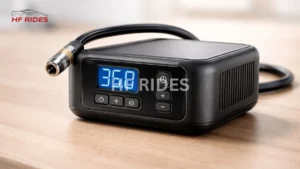
If you don’t want to rely on gas station machines, a portable tire inflator is a convenient option. Many portable inflators plug into your car’s 12V outlet and allow you to set the exact PSI you need.
Home air compressors are another solution if you have garage access. These tools give you more control and save time, especially during cold weather when tire pressure drops more often.
Having a small portable inflator in your trunk can be a lifesaver during road trips, especially when the nearest gas station is miles away.
Frequently Asked Questions
Common questions asked about how to fill car tires with air at a gas station.
How often should I check my tire pressure?
Check your tire pressure at least once a month and before long trips. Sudden temperature changes can affect PSI, so check more often in extreme weather.
Is air free at most gas stations?
Some stations offer free air, while others charge a small fee. It depends on the location and the type of machine.
Can I fill my tires while they are hot?
It’s best to check and fill tires when they are cold. Driving heats the tires and can give an inaccurate PSI reading.
What happens if I overinflate a tire?
Overinflated tires can reduce traction, cause uneven wear, and increase the risk of damage. Release air if you add too much.
Do I need a tire gauge if the air machine shows PSI?
It’s recommended. Some machines are inaccurate, so using your own gauge ensures precise inflation.
How do I know if the air machine is working correctly?
Check the display for a reading before attaching the hose. If it doesn’t register pressure or the hose leaks, try another machine or ask the attendant.
Can I use a gas station air pump for all tire types?
Yes, but always follow the recommended PSI for your specific car, SUV, or truck. Heavy-duty tires may require higher pressure.
What should I do if the valve stem is damaged?
Avoid inflating the tire if the valve stem leaks or is cracked. Replace it at a service center to prevent sudden air loss.
Is it safe to fill tires by myself at night?
Yes, if you park in a well-lit, safe area and stay aware of your surroundings. Take your time to avoid mistakes.
Can underinflated tires affect fuel economy?
Absolutely. Tires with low air pressure increase rolling resistance, which makes your car work harder and reduces gas mileage.
Quick Recap & Final Tips
Keeping your tires at the correct pressure is simple but important for safety, performance, and fuel efficiency. Always check your PSI, use the air pump carefully, and avoid common mistakes like overinflating.
Regular checks and proper inflation help your tires last longer and improve your car’s handling. By following these easy steps, you can confidently fill your tires at any gas station and drive safely every time.
Taking just a few extra seconds to double-check each tire saves trips back to the pump and prevents uneven wear over time.