
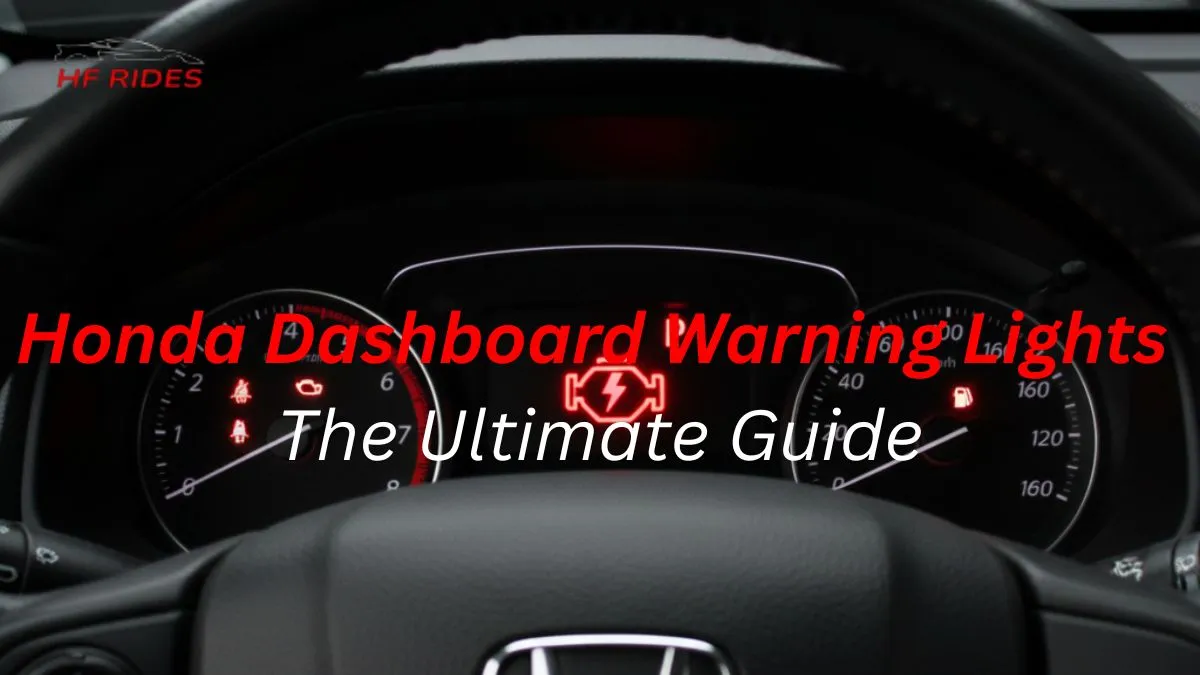
Honda dashboard warning lights symbols show the status of your vehicle’s systems and alert you when something needs attention. Red lights signal an urgent issue that requires immediate action, amber/yellow lights mean a component needs inspection or service soon, and green/blue lights simply indicate that a system is active.
Introduction
The Honda dashboard warning lights symbols are designed to help drivers understand their vehicle’s condition and respond quickly when something needs attention. Modern Honda vehicles use a combination of colors, icons, and system indicators to communicate everything from routine maintenance reminders to serious mechanical issues.
When you know what each symbol means, you can prevent bigger problems, maintain your car’s reliability, and avoid unnecessary stress when warning lights appear. Many drivers panic when a light suddenly turns on, but most alerts are simple notifications or early warnings – not emergencies.
Learning how these lights work, why they show up, and when to take action helps you stay confident on the road. This guide breaks down each type of indicator clearly so you always understand what your Honda is trying to tell you.
Understanding Honda Dashboard Lights
The Honda dashboard warning lights symbols provide important information about your car’s condition and alert you when something needs attention. Each light uses specific colors and icons to indicate its purpose.
-
Red lights: you should stop immediately.
-
Amber/Yellow lights: signal caution or service soon.
-
Green/Blue lights: show a system is active or functioning normally.
Understanding these symbols helps you respond correctly, maintain your vehicle’s health, and stay safe on the road. Many Honda vehicles come equipped with advanced driver-assist systems, so recognizing lights related to VSA, lane-keeping assist, or adaptive cruise control can prevent unnecessary anxiety while driving.
Red Warning Lights (Immediate Attention)
Red warning lights indicate serious issues that require immediate action. Ignoring them can lead to engine damage, brake failure, or electrical problems. Common red warnings include:
Example: If your oil pressure light turns red while driving, stop safely and check the oil level. Continuing to drive could severely damage the engine. Red lights are always high-priority alerts and should never be ignored.
Amber / Yellow Warning Lights (Caution / Service Soon)
Amber or yellow dashboard lights indicate issues that need attention soon but aren’t immediately critical. Common examples include:
-
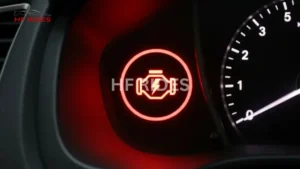
Check engine / MIL (minor alerts): indicates non-critical engine or emissions issues.
-
Tyre pressure (TPMS) warnings: show that one or more tyres may be under-inflated.
-
Maintenance required reminders: notify you when routine service is due.
-
Driver-assist alerts: VSA, traction control, lane-keeping assist, blind-spot monitoring, or collision mitigation system notifications.
Tip: When an amber light appears, schedule service or inspect the vehicle within a few days. For instance, a TPMS warning may simply mean one tyre needs air. Addressing it early avoids uneven tyre wear or reduced fuel efficiency.
Green / Blue Indicator Lights (Informational / System Active)
Green and blue dashboard lights are informational indicators showing that a system is active or working correctly. Common examples include:
These lights do not indicate a problem but help drivers understand which systems are engaged. For example, knowing when Eco mode is active can optimize fuel efficiency, while stability control indicators ensure the vehicle is maintaining traction in slippery conditions.
Fluids & Other Maintenance Alerts
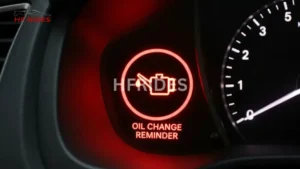
Some dashboard lights alert you when fluid levels or maintenance tasks require attention. Common indicators include low fuel, washer fluid, coolant levels, and oil change reminders. Regularly checking fluids is a simple way to prevent engine overheating, corrosion, or brake problems.
In some cases, a warning light may indicate a transmission or hybrid system alert depending on your vehicle’s features.
Actionable Tip: Keep a small maintenance log and check fluids weekly. This simple habit can extend your vehicle’s lifespan and prevent unexpected breakdowns.
Convenience & Reminder Indicators
Convenience lights notify you about safety reminders or minor issues that don’t affect vehicle performance. Common indicators include seatbelt reminders, doors/trunk/hood ajar warnings, parking brake engaged, and smart entry or immobilizer alerts.
While these lights are not critical, ignoring them can affect safety or vehicle operation. For example, driving with the parking brake engaged may cause brake wear over time.
Paying attention ensures all systems are properly secured and maintains safe driving conditions.
Startup / Self-Check Lights Behavior
When you start your Honda, several dashboard lights may illuminate briefly. This is a normal system self-check to ensure safety, engine, and driver-assist systems are functioning. Common lights during startup include check engine, ABS, airbags, and other informational indicators.
Pro Tip: If the lights disappear shortly after starting, there’s no issue. Persistent or flashing lights after startup indicate a problem that should be inspected by a qualified technician. This behavior is especially important for hybrid or turbocharged Honda models, where sensor checks are more frequent.
When to Stop, Continue, or Service
Dashboard lights guide you on how to respond while driving:
-
Red lights: Stop immediately and address the issue to prevent damage or safety risks.
-
Amber/Yellow lights: Schedule service or inspect soon; usually safe to continue driving for a short distance.
-
Green/Blue lights: Informational only; no action required.
Following these guidelines helps Honda owners make quick, safe decisions and maintain vehicle reliability.
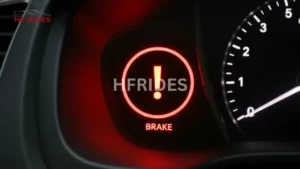
Example: A red brake warning light means stopping immediately, while an amber engine light allows driving to the nearest service center safely.
Common Causes & Troubleshooting Tips
Many dashboard lights appear due to common, preventable issues. Examples include:
-
Check engine or oil light: indicates low oil level or a sensor problem.
-
Tyre pressure (TPMS) warning: shows underinflated tyres rather than a leak.
-
EPS or power steering alerts: signal electrical issues or low power steering fluid.
Tip: Regular checks, timely maintenance, and addressing warnings promptly help prevent serious damage. Keeping a simple checklist for oil, coolant, tyre pressure, and brake inspection ensures your Honda performs reliably and safely.
Printable PDF / Quick Reference Chart
A dashboard warning lights chart can help you quickly identify symbols and understand their meaning. Creating a printable PDF allows you to keep a handy reference in your car. Key elements to include:
-
Light name and symbol: identifies the specific dashboard indicator.
-
Color code (red, amber/yellow, green/blue): shows the urgency or status of the alert.
-
Meaning or system alert: explains what the light indicates about the vehicle.
-
Recommended action: suggests what the driver should do in response.
Having this chart ensures quick reference, safer driving, and timely maintenance for your Honda.
PDF File: Honda dashboard warning lights symbols pdf
Here’s also a video tutorial to understand these lights deeply: Honda Dashboard Warning Lights & signs Meanings
Frequently Asked Questions
Common questions asked about honda dashboard warning lights.
Why did all lights come on then go off?
This is a normal system self-check during startup. Lights that disappear shortly after starting indicate no issues.
What does the EPS/power steering light mean?
It signals a potential steering assist or electrical issue. Have it checked promptly.
Is it safe to drive with the ABS light?
The ABS system may be compromised, but basic braking works. Drive cautiously and get it inspected.
What if a coolant warning appears after refilling?
It may indicate a leak or sensor problem; seek service.
Conclusion
Honda dashboard warning lights symbols are essential indicators for every Honda owner, and at HFRides, we’ve carefully researched and compiled this guide to make them easy to understand.
By knowing what each light color and symbol represents – red for urgent issues, amber/yellow for caution, and green/blue for active systems – you can make informed decisions, prevent damage, and keep your vehicle safe and reliable.
We recommend keeping a dashboard chart or PDF reference in your car, performing regular maintenance, and addressing warning lights promptly. Following these steps ensures your Honda remains safe, efficient, and dependable.
Our goal is to provide practical, research-backed guidance that drivers can trust for everyday use and long-term vehicle care.

Hfrides.com provides easy-to-understand car maintenance guides and troubleshooting tips. With real hands-on experience, we simplify complex automotive topics. Our goal is to help drivers save money, avoid repairs, and keep their cars running longer.