
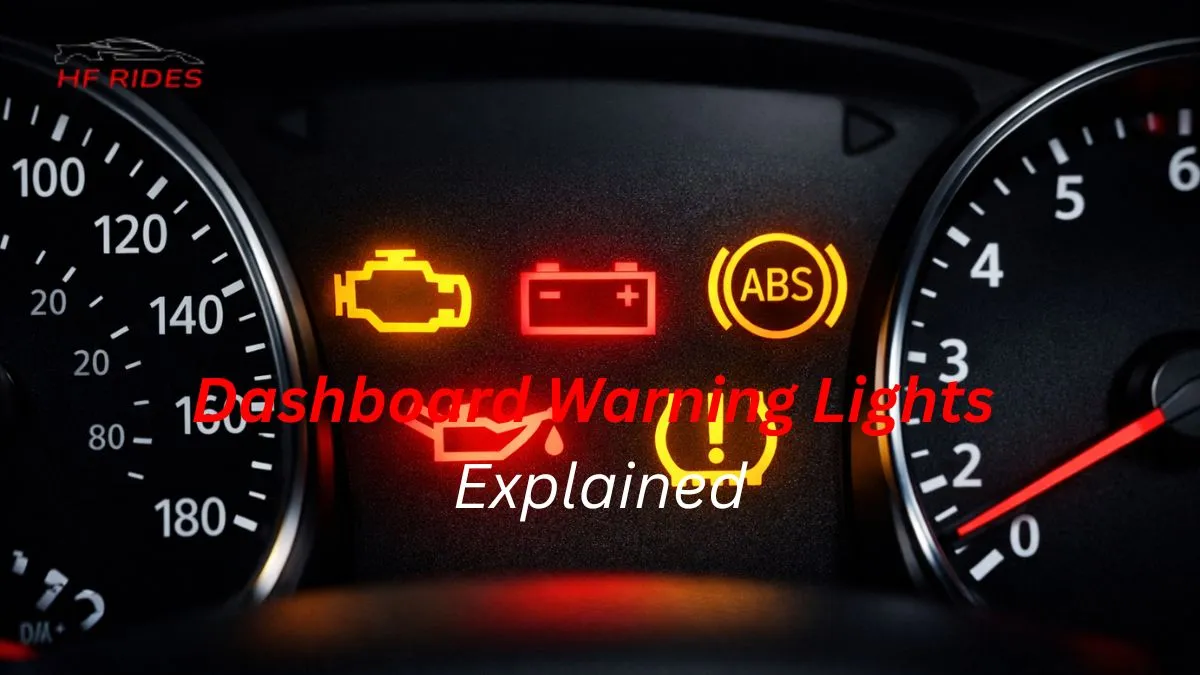
Your car’s dashboard isn’t just dials – it’s your car talking to you! Dashboard warning lights alert you to issues with your engine, brakes, tires, or safety systems. Knowing what each light means helps you act early, avoid costly repairs, and stay safe on the road.
Introduction
Your car’s dashboard is more than just a cluster of dials and gauges – it’s a vital communication hub for your vehicle. Every icon, light, and symbol serves a purpose, letting you know when something needs attention.
Understanding dashboard lights and what they mean can save you from unexpected breakdowns, costly repairs, and unsafe driving situations.
This guide breaks down the most common warning lights, explains their causes, and shows you exactly what action to take – keeping your car safe, reliable, and road-ready.
Most Common Dashboard Warning Lights
Modern cars use a wide range of dashboard warning lights, each designed to highlight a specific system or condition. As we research real driving scenarios, one pattern appears consistently: most warning lights don’t come on without reason – they usually follow subtle changes like delayed starts, unusual vibrations, or slightly reduced braking response.
Drivers often continue driving because the car still feels “fine.” However, that first warning light is usually the earliest sign of a developing issue. Some dashboard lights signal problems that need immediate attention, while others allow limited driving before service becomes necessary.
Understanding the meaning, color, and urgency of these most common dashboard warning lights helps drivers respond correctly – avoiding unnecessary panic, costly repairs, and potential safety risks.
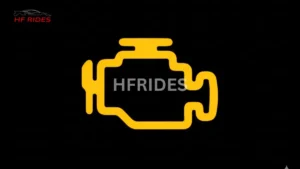
Check Engine Light
The Check Engine Light (CEL) is one of the most common dashboard indicators. It signals a problem with your vehicle’s engine or emissions system.
Causes: Faulty oxygen sensors, loose gas cap, spark plug issues, or catalytic converter problems.
Action: Inspect the gas cap, check for obvious engine issues, and if the light remains, use an OBD-II scanner to identify the specific trouble code. Ignoring this light can reduce fuel efficiency or cause severe engine damage.
Battery / Charging System Light
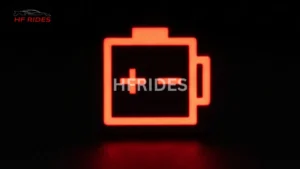
The Battery Light signals a problem with your car’s electrical system.
Causes: Dead battery, faulty alternator, loose connections, or worn-out serpentine belt.
Action: Check battery terminals, ensure the alternator is functioning, and replace the battery if needed. Driving with this light on can lead to a dead battery and car breakdown.
Coolant Temperature Warning
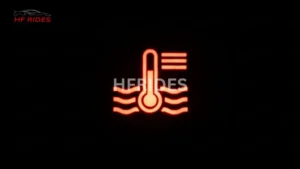
This light indicates that your engine is overheating.
Causes: Low coolant level, leaking radiator, malfunctioning thermostat, or water pump failure.
Action: Pull over immediately, allow the engine to cool, and check coolant levels. Continuing to drive with high temperatures can cause engine warping or head gasket failure.
Transmission Temperature Warning
Found mostly in vehicles with automatic transmissions, this warning indicates excessive transmission heat.
Causes: Towing heavy loads, low transmission fluid, or internal transmission issues.
Action: Stop driving and allow the transmission to cool. Check fluid levels and consult a mechanic to prevent permanent transmission damage.
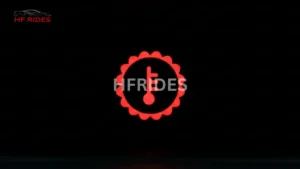
Oil Pressure Warning
This red warning light signals low engine oil pressure.
Causes: Low oil level, worn engine bearings, or oil pump failure.
Action: Stop the car immediately and check oil levels. Driving with low oil pressure can lead to catastrophic engine failure.
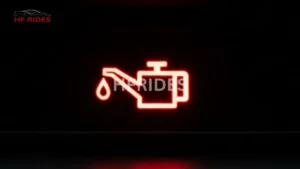
Tire Pressure Monitoring System (TPMS)
TPMS lights indicate under-inflated or over-inflated tires.
Causes: Slow leaks, punctures, or temperature changes.
Action: Check tire pressure and inflate to the manufacturer’s recommended level. Proper tire maintenance improves safety, fuel efficiency, and tire longevity.
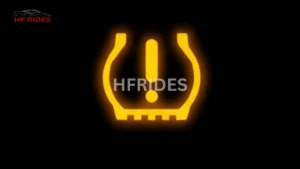
Brake System / ABS Warning
This warning indicates issues with the brake system or anti-lock braking system (ABS).
Causes: Low brake fluid, worn brake pads, or ABS sensor failure.
Action: Inspect brake fluid, pads, and sensors immediately. Ignoring it compromises your vehicle’s stopping ability.
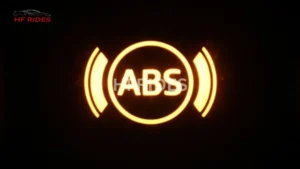
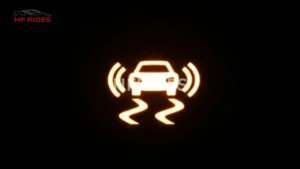
Traction Control / Stability Control
This light flashes when the system is active or stays on if there is a fault.
Causes: Sensor malfunction, slippery roads, or system deactivation.
Action: Drive cautiously if the light is on and consult a mechanic to restore full traction and stability control functions.
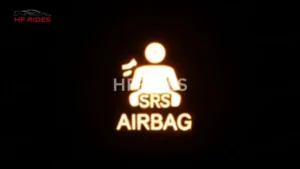
Airbag / SRS Warning
The Airbag or SRS (Supplemental Restraint System) Light indicates a malfunction in the safety system.
Causes: Faulty sensors, seatbelt issues, or wiring problems.
Action: Have the system diagnosed by a professional to ensure airbags deploy correctly in a collision.
Lamp Out / Bulb Warning
This light alerts you to burned-out headlights, taillights, or indicators.
Causes: Bulb failure or electrical issues.
Action: Replace the affected bulb immediately to maintain road safety and compliance with traffic laws.

Washer Fluid, Door Open, Low Fuel
These minor indicators remind you to:
-
Refill the windshield washer fluid
-
Close doors properly
-
Refuel before running out
Prompt attention to these alerts helps avoid inconvenience and potential safety hazards.
Lighting Indicators and Controls
Understanding standard lighting indicators helps ensure proper visibility and compliance with traffic rules.
Headlights On / Off
This indicator shows whether your headlights are active. Driving without proper illumination at night is illegal and dangerous.
High-Beam Indicator
Shows when high beams are engaged. Remember to dim them for oncoming traffic to avoid blinding others.
Automatic High-Beam Indicator
This light signals that automatic high beams are active. The system adjusts lights based on surrounding traffic.
Front Fog Lights
This symbol indicates that your fog lights are on, providing better visibility in fog, rain, or snow.
Seatbelt Indicator
A reminder to buckle up. Ignoring this can result in fines and reduced safety during a collision.
Advanced Driver Assistance System (ADAS) Lights
Modern vehicles use ADAS technologies to enhance driving safety.
Automatic Emergency Braking Disabled
Signals that the automatic braking system is turned off or malfunctioning.
Automatic Emergency Steering Disabled
Alerts the driver when emergency steering assistance is unavailable.
Lane-Keep Assist Off
Indicates that lane-keeping or lane-departure prevention features are inactive.
Automatic Stop-Start Active
Shows that the engine will automatically shut off at stops to conserve fuel.
Electric / Hybrid Vehicle Specific Lights
EVs and hybrids have additional warning systems for their unique powertrains.
Vehicle Connected to Charging Cable
Illuminates when your vehicle is actively charging.
Battery / Electric System Warnings
Indicates battery health issues, overcharging, or other electric system faults. Ignoring these warnings may affect the range or damage the battery.
Safety & Critical Alerts
Some lights require immediate attention to prevent danger.
Freezing Temperatures / Icy Road Warning
Alerts you to low temperatures that may affect traction. Drive carefully to avoid skidding.
Master Warning Symbol
A general warning indicating multiple system alerts or serious vehicle issues. Check all indicators and consult the owner’s manual immediately.
Frequently Asked Questions
Common questions about dashboard lights and what they mean
How to reset or clear dashboard warning lights?
Most lights can be cleared using an OBD-II scanner, disconnecting the battery (for minor alerts), or following the manufacturer-specific reset procedure.
How much does it cost to diagnose a dashboard light?
Diagnostic costs range from $50 to $150, depending on the complexity of the issue and whether specialized tools are required.
Which lights should never be ignored?
Red lights like oil pressure, coolant temperature, and brake system warnings demand immediate attention. Ignoring them can cause severe damage or accidents.
What do red, amber, and green lights mean?
-
Red: Critical issue, immediate action required.
-
Amber/Yellow: Caution; check soon.
-
Green/Blue: Information; system active or functioning normally.
Conclusion
Dashboard warning lights are your car’s first and most reliable line of communication. Based on our research, these alerts are designed to appear before a problem becomes severe – giving drivers a critical window to act early. Ignoring them often leads to higher repair costs, avoidable safety risks, and a gradual loss of vehicle performance.
By understanding what these lights mean and responding on time – through regular maintenance, tire pressure checks, fluid inspections, or simple OBD-II diagnostics, you reduce the chances of unexpected breakdowns.
Consistently monitoring your dashboard isn’t just about following recommendations; it reflects proactive car care. When addressed early, most warning lights help preserve reliability, extend vehicle life, and provide peace of mind on every journey.

Hfrides.com provides easy-to-understand car maintenance guides and troubleshooting tips. With real hands-on experience, we simplify complex automotive topics. Our goal is to help drivers save money, avoid repairs, and keep their cars running longer.