
The blue light on your dashboard usually indicates your engine is cold and hasn’t reached optimal operating temperature yet. It can also appear as a high beam indicator. This light is informational – wait a few minutes for it to turn off, or check coolant/thermostat if it stays on.
Introduction
Your car’s dashboard has many warning and informational lights, and it’s easy to get confused about what each one means.
One common question is: What is the blue light on my dashboard? Most of the time, it appears when your engine is cold or as a high-beam indicator. Understanding this light helps you drive safely and avoid unnecessary worry.
In this guide, we’ll cover the causes, normal behavior, and steps to take if the blue light stays on.
What Does a Blue Dashboard Light Mean?
The blue warning light on your dashboard usually has two main meanings. Most commonly, it indicates that your engine coolant temperature is low because the engine hasn’t reached its normal operating temperature.
This is a normal informational light and typically goes off after a few minutes of driving. In some cases, the blue light shows that your high beams or headlights are on. Some rare blue dashboard icons may represent features like adaptive cruise or special warning systems, depending on your car type.
Understanding these lights helps you distinguish between harmless signals and potential issues, keeping you informed and safe while driving.
Understanding Dashboard Light Colors
Dashboard lights use colors to tell you how urgent a message is. Blue usually means information, like a cold engine or high beams. Green shows active features, such as turn signals. Yellow or amber warns you that attention is needed soon, and red indicates a critical issue that requires immediate action. Here’s a quick guide:
| Light Color | Meaning | Action Required |
|---|---|---|
| Blue | Informational | Wait for engine to warm or check icon type |
| Green | Feature active | None |
| Yellow | Attention needed | Check system soon |
| Red | Critical warning | Stop driving; inspect system |
Why the Blue Coolant Light Comes On
The blue coolant light appears when you start your car because the engine is cold. When the engine is below its optimal operating temperature, the light informs you that the coolant isn’t fully warmed, which helps prevent engine wear.
In cold weather, the light may stay on slightly longer as the engine takes more time to reach the correct temperature. This is completely normal and protects your engine.
However, if the light continues after driving for several minutes, it may indicate a stuck-open thermostat, low coolant level, or a faulty sensor. Monitoring the blue light ensures you know when your engine is safe to drive.
How Long Should the Blue Light Stay On
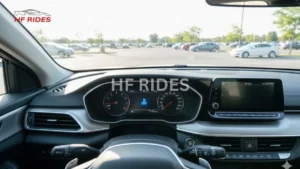
The blue dashboard light usually stays on only for a few minutes after starting your car. This is because the engine needs time to warm up to its normal operating temperature. In cold weather, it may take slightly longer to turn off.
If the blue light persists after driving for 15 – 20 minutes, it could indicate a problem with the thermostat, coolant level, or temperature sensor. Always check your engine if the light doesn’t go off.
Can You Drive With a Blue Coolant Light On?
Yes, you can usually drive with a blue coolant light on, but you should be cautious. This light appears when the engine is cold, so avoid hard acceleration, high revs, or carrying heavy loads until the engine warms up.
Driving gently allows the coolant to circulate fully and ensures optimal lubrication for your engine. If the light remains on for an extended period, check the coolant level and inspect the thermostat to prevent potential damage.
Being mindful of the blue light helps you maintain your engine’s health, avoid unnecessary repairs, and drive confidently while waiting for the engine to reach its normal operating temperature.
When the Blue Light Signals a Problem?
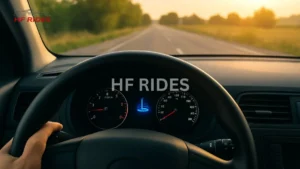
While the blue light on the car dashboard is usually harmless, it can indicate a problem if it stays on after the engine warms up. Common causes include a stuck-open thermostat, low coolant levels, or a faulty temperature sensor giving incorrect readings.
Persistent illumination may affect engine performance, fuel efficiency, or even lead to long-term engine issues if ignored. If you notice the light doesn’t turn off after normal warm-up, it’s important to check your coolant level, inspect the thermostat, and ensure the sensor is working correctly.
Early attention to these warning signs can prevent costly repairs and keep your vehicle running safely. Always consult your owner’s manual or a qualified mechanic for guidance.
High Beam vs Coolant Indicator – How to Tell the Difference
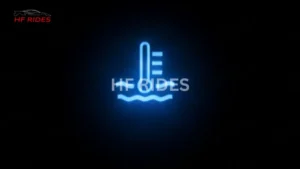
Sometimes, the blue dashboard light can be confusing because it may indicate either the coolant temperature or the high beams. The coolant light usually looks like a thermometer with wavy lines and appears when the engine is cold.
The high beam indicator is shaped like a headlight with horizontal lines and turns on when the high beams are active. Checking the icon’s shape and location helps you know which light is on and what action, if any, is needed.
FAQ’s
These are the questions people ask about the blue light on the dashboard.
My car has been showing this blue engine light for several weeks. Is it normal?
It’s usually normal when the engine is cold. If it stays on after warming, check the thermostat or coolant level to ensure there’s no issue.
How to fix a blue coolant light?
Most of the time, no fix is needed. Let the engine warm up. Persistent lights may require checking coolant levels, thermostat, or sensors.
Blue coolant light comes on when car starts – normal?
Yes, this indicates the engine hasn’t reached optimal operating temperature and is completely normal.
Can you drive with a blue coolant light on?
Yes, drive gently until the engine warms up. Avoid heavy acceleration, towing, or high revs.
What does the blue light mean on my dashboard?
It usually signals a cold engine or a high-beam indicator. This is informational, not an urgent warning.
Can I still drive with the coolant light on?
Yes, carefully. Monitor the light and check coolant if it stays on after several minutes.
Why does the blue light on the dashboard sometimes blink?
A blinking blue light can indicate intermittent sensor readings or a cooling system issue. Monitor your vehicle and consult a mechanic if it persists.
Does ignoring a blue light damage the engine?
Usually, no, if it’s just a cold engine, but persistent blue lights may indicate a problem. Ignoring it could affect engine efficiency over time.
Conclusion
Understanding what the blue light on your dashboard means can help you drive safely and avoid unnecessary worry. Most of the time, it’s simply an informational light showing your engine is cold or your high beams are on.
However, if it stays on after the engine warms up, it may indicate a thermostat, coolant, or sensor issue. Always monitor your dashboard lights and take timely action when needed.

Hfrides.com provides easy-to-understand car maintenance guides and troubleshooting tips. With real hands-on experience, we simplify complex automotive topics. Our goal is to help drivers save money, avoid repairs, and keep their cars running longer.