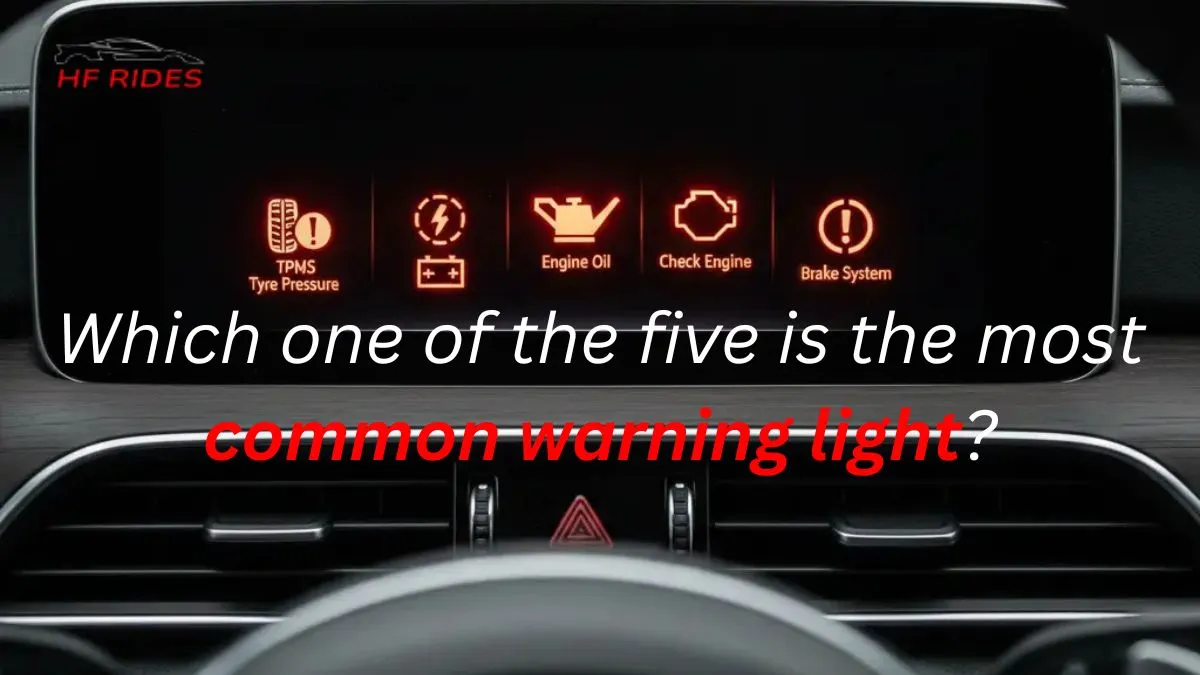
Dashboard warning lights alert you to issues like low oil, tyre pressure, or engine faults. The check engine light is the most common, and responding early helps prevent costly repairs. Regular maintenance keeps your car safe, reliable, and trouble-free.
Introduction
Dashboard warning lights are designed to alert drivers when something needs attention, from minor reminders to serious faults. If you’ve ever asked, “Which one of the five is the most common warning light?”, you’re not alone.
Understanding these alerts helps you spot issues early, avoid unexpected breakdowns, and keep your car safe. The most common lights usually include the engine oil warning, check engine light, tire pressure (TPMS) warning, battery alert, and brake system warning.
In this guide, we’ll explain which of these five appears most frequently, what each light means, and how acting promptly can save you time, money, and stress. By the end, you’ll confidently recognize dashboard alerts and respond like a pro.
Why Drivers Often See These Warning Lights
Drivers frequently spot dashboard warning lights because modern cars are designed to catch small issues early.
The most common warning lights usually involve the oil pressure warning, check engine light, TPMS tire pressure alerts, and battery warning signals.
Knowing what these lights mean helps you stay safe, avoid unexpected breakdowns, and maintain your car with confidence.
The Five Most Common Dashboard Warning Lights
Most drivers encounter the same five dashboard warning lights throughout their car’s lifespan.
These include the engine oil warning light, check engine light, tire pressure (TPMS) warning, battery warning light, and the brake system warning.
These alerts represent the most common warning lights because they monitor essential safety and engine components. In this guide, we explain which one of the five is the most common warning light and what each dashboard symbol means, helping you spot problems early and take the right action.
Why These Five Warning Lights Appear Most Often
These five dashboard warning lights appear most often because they monitor parts of the car that experience daily wear.
The engine oil warning light reacts to low oil pressure, while the check engine light covers a wide range of engine-related issues. The TPMS tire pressure warning, battery charging alert, and brake system warning also activate frequently due to temperature changes, aging parts, or low fluid levels.
The Most Common Warning Light Drivers See
Among all dashboard warning lights, the check engine light is considered the most common warning light drivers see.
This light covers a wide range of issues—from loose gas caps to sensor faults—so it appears more often than alerts like the oil pressure warning or tire pressure (TPMS) light.
From our research across numerous driver reports, we’ve seen that the check engine light appears most often. Recognizing it early helps you prevent major engine problems and avoid costly repairs.
How to Respond When a Warning Light Appears
When a dashboard warning light turns on, it’s important to act quickly; we recommend checking the owner’s manual first to identify the warning.
For common lights like the engine oil warning, check engine light, or tire pressure (TPMS) alert, pull over safely if needed, inspect fluids, and schedule maintenance.
Responding promptly prevents serious damage, ensures your car remains reliable, and keeps you safe on the road. Always treat warning lights as early alerts, not minor annoyances.
Tips to Prevent Dashboard Warning Lights
Preventing dashboard warning lights is easier than many drivers think. We advise regular maintenance like checking oil levels, tire pressure, battery health, and brake fluids.
Using quality engine oil, following scheduled services, and monitoring your car’s systems can reduce the frequency of alerts such as the engine oil warning light, check engine light, or TPMS tire pressure warning.
Staying proactive keeps your car safe, reliable, and helps avoid unexpected breakdowns or costly repairs.
When to Seek Professional Help
While some dashboard warning lights can be managed with simple checks, others need professional attention.
We recommend contacting a certified mechanic if the engine oil warning light, check engine light, or brake system warning stays on after basic checks.
Early professional inspection prevents serious engine damage, ensures your safety, and saves money on expensive repairs. Understanding which alerts require expert help helps drivers take timely action and maintain a reliable vehicle
Understanding Warning Light Colors
Dashboard warning lights use colors to show urgency.
-
Red lights – Engine oil warning or brake system warning signal immediate action.
-
Yellow/Orange lights – Check engine light or tire pressure (TPMS) alert indicates caution and needs attention soon.
-
Green/Blue lights – Informational lights that don’t require urgent action.
Based on what we’ve seen, understanding these warning light colors helps drivers know which issues to act on first, stay safe, and stop small problems from turning into big repairs.
Key Takeaways for Drivers
Knowing the most common dashboard warning lights keeps you safe and your car reliable.
In this guide, we’ve highlighted the engine oil warning light, check engine light, tire pressure (TPMS) warning, battery alert, and brake system warning as the five most frequent alerts.
Understanding what each light means, responding promptly, and following regular maintenance help prevent costly repairs. Staying informed empowers drivers to act confidently and ensures a smooth, trouble-free driving experience.
Regular Maintenance to Reduce Warning Lights
Regular car maintenance is key to preventing frequent dashboard warning lights.
We guide drivers on essential routines like checking oil levels, monitoring tire pressure, inspecting brakes, and maintaining the battery and cooling system.
Following scheduled services and using quality fluids helps reduce the chances of alerts like the engine oil warning light, check engine light, or TPMS tire pressure warning. Staying proactive keeps your car reliable, safe, and avoids costly repairs.
Common Mistakes Drivers Make
Many drivers ignore or misinterpret dashboard warning lights, which can lead to bigger problems.
We often see drivers overlook the engine oil warning light, delay addressing the check engine light, or ignore tire pressure (TPMS) alerts.
Skipping regular maintenance or assuming minor warnings are unimportant can result in costly repairs.
Understanding what each dashboard light means and taking timely action ensures safety, prevents breakdowns, and keeps your vehicle performing optimally.
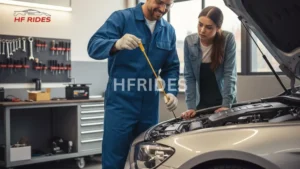
How to Stay Ahead of Car Issues
Staying ahead of car problems starts with understanding your vehicle and paying attention to dashboard warning lights.
We recommend combining regular maintenance with awareness of alerts like the engine oil warning light, check engine light, and tire pressure (TPMS) warning.
Monitoring fluids, brakes, battery, and tires, along with timely professional inspections, helps prevent unexpected breakdowns. Being proactive keeps your car reliable and safe, and saves money on repairs over time.
The Importance of Vehicle Awareness
Being aware of your vehicle’s signals is essential for safe driving.
We educate drivers to recognize the most common dashboard warning lights, including the engine oil warning light, check engine light, tire pressure (TPMS) alerts, battery warnings, and brake system alerts.
Understanding what these indicators mean allows drivers to act promptly, avoid major repairs, and maintain their car’s performance. Staying informed ensures a smooth, safe, and worry-free driving experience.
Tips for New Drivers
New drivers often struggle to understand dashboard warning lights and routine car maintenance.
We provide simple guides to help beginners recognize alerts like the engine oil warning light, check engine light, and TPMS tire pressure warning.
Following regular maintenance schedules, checking fluids, and monitoring tire pressure can prevent common problems. With the right knowledge, even new drivers can maintain their vehicles confidently, avoid breakdowns, and ensure safety on the road.
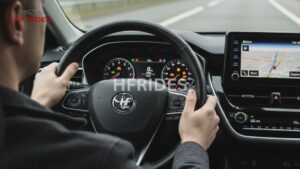
Using Technology to Monitor Your Car
Modern cars come with technology that helps monitor key systems and reduce dashboard warning lights.
We encourage drivers to use apps, onboard diagnostics (OBD), and TPMS sensors to track engine oil levels, battery health, and tire pressure.
These tools complement regular maintenance by alerting you early to potential issues like the check engine light or brake system warnings. Staying proactive with technology keeps your car safe, reliable, and running smoothly.
When to Perform Professional Checkups
Even with regular maintenance, some issues require a professional mechanic; that’s why we advise drivers to schedule inspections if dashboard warning lights like the engine oil warning, check engine light, or brake system alert persist.
Early professional checks prevent serious engine damage, costly repairs, and safety risks. Combining your knowledge of warning lights with expert inspections ensures your vehicle remains reliable, safe, and efficient for everyday driving.
Tip: Regular checkups are key to long-term car health.
Understanding Maintenance Intervals
Following recommended maintenance intervals helps prevent dashboard warning lights from appearing unexpectedly.
We guide drivers to monitor oil changes, tire rotations, brake inspections, and battery health according to the manufacturer’s schedule.
Staying on top of these routines reduces alerts like the engine oil warning light, check engine light, and TPMS tire pressure warning.
Proper scheduling keeps your car running efficiently, minimizes repair costs, and ensures a safer driving experience. Consistency is key to vehicle longevity.

Some Case Studies From Our Research
Practical examples showing how dashboard warnings help prevent serious failures.
Case Study 1:
Mark, the owner of a 2005 BMW 330Ci, recently noticed his check engine light turn on during a short drive. At first, he assumed it was a minor sensor glitch and kept driving.
Two days later, the engine oil warning light also appeared. After checking the dipstick, he found the oil level extremely low. A quick oil change and filter replacement solved the issue instantly.
Mark’s experience shows how older models use dashboard warning lights to alert drivers before small issues turn into expensive repairs.
Case Study 2:
Daniel drives a 2010 Honda Accord, and one evening his check engine light came on while accelerating onto the highway.
The car felt slightly sluggish, but he continued driving. The next day, the light was still on, so he checked the gas cap — it wasn’t tightened properly. After securing it and driving a few miles, the check engine light reset itself.
Daniel’s situation shows how simple issues like a loose gas cap can trigger dashboard warning lights, and why drivers shouldn’t ignore these alerts.
Frequently Asked Questions
Common Questions About Dashboard Warning Lights.
Which dashboard warning light is most common?
The check engine light is the most common dashboard warning light drivers see. It covers a wide range of engine issues and often appears more frequently than alerts like the oil pressure warning or TPMS tire pressure light.
Why does the oil warning light come on?
The engine oil warning light comes on when oil pressure is low, oil levels are insufficient, or the oil pump is malfunctioning. Check the oil level, top it up if needed, and schedule a professional inspection if the light remains on.
Can you drive with the tire pressure warning light on?
A TPMS tire pressure warning light indicates underinflated tires. Driving with low pressure can reduce safety, affect handling, and cause premature tire wear. Inflate the tires to the recommended level before driving long distances.
How to check the engine oil warning light safely?
When the engine oil warning light appears, stop the car safely and check the oil level using the dipstick. Inspect for leaks or low oil levels and schedule maintenance if necessary. Prompt action prevents engine damage and keeps your vehicle reliable.
What to do when dashboard warning lights come on?
When any dashboard warning light turns on, check your car’s manual for its meaning. Common alerts include the engine oil warning light, check engine light, TPMS tire pressure warning, and battery alerts. Assess the urgency, perform basic checks, and seek professional help if needed.
How to prevent common dashboard warning lights?
Regular maintenance prevents frequent dashboard warning lights. Check oil levels, tire pressure, brake fluid, and battery health, and follow service intervals. Using quality fluids and performing timely inspections reduces alerts like the engine oil warning light, check engine light, and TPMS tire pressure warnings.
Conclusion
Understanding dashboard warning lights is crucial for safe and stress-free driving. At HF Rides, we emphasize recognizing the engine oil warning light, check engine light, TPMS tire pressure alerts, battery warning, and brake system alerts.
Combining this knowledge with regular maintenance, timely professional checkups, and proactive monitoring ensures your vehicle stays reliable and efficient.
Staying informed empowers drivers to prevent breakdowns, avoid costly repairs, and enjoy peace of mind every time they get behind the wheel.
Hfrides.com provides easy-to-understand car maintenance guides and troubleshooting tips. With real hands-on experience, we simplify complex automotive topics. Our goal is to help drivers save money, avoid repairs, and keep their cars running longer.