
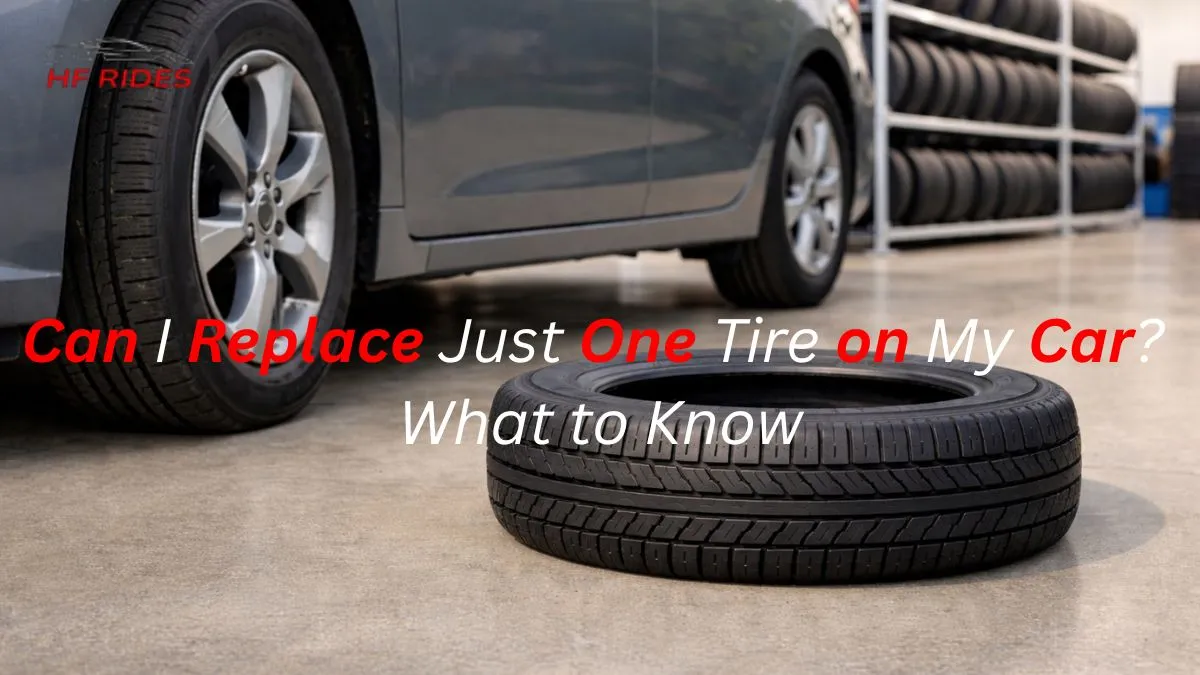
Yes, you can replace just one tire if the tread difference is under 2/32”.
Over 3/32” can affect handling, traction, and AWD drivetrains.
Replacing in pairs is often safer.
Introduction
If you’re wondering, can I replace just one tire on my car? The short answer is: sometimes yes, but often no. It depends on tread depth difference, drivetrain type (AWD vs FWD/RWD), and overall tire condition.
A small tread gap under 2/32 inch is usually safe. Anything beyond 3/32 inch can cause handling issues — and on AWD vehicles, even drivetrain damage.
The Real Rule: It Depends on Tread Depth Difference
The key to replacing a single tire is the tread depth difference. Even small gaps affect rolling circumference, handling, and traction.
-
Safe difference: up to 2/32”
-
Risky: 3/32” or more
-
Federal minimum (U.S.): 2/32”
Check with a penny test or tread gauge to measure. Tires with uneven tread can reduce braking efficiency and slightly alter vehicle stability, especially on wet roads.
Can You Replace Just One Tire on AWD Vehicles?
Replacing a single tire on AWD vehicles is riskier than on FWD or RWD cars. AWD systems rely on constant power distribution across all wheels, and differences in tire diameter can strain the differential, transfer case, and drivetrain.
-
Rolling speed differences increase wear and heat
-
Even small tread mismatches may trigger traction control alerts
-
Manufacturers often recommend matching all four tires or at least the same axle
Engineering analyses show that a 0.5% diameter mismatch can increase differential torque by 10–15%, accelerating drivetrain wear.
What About Front-Wheel Drive (FWD) and Rear-Wheel Drive (RWD)?
Replacing a single tire on FWD or RWD vehicles is generally safer than on AWD. These drivetrains are less sensitive to small tread differences, so the risk of damaging the system is lower.
However, traction, braking, and stability can still be affected if the new tire is significantly taller or has a different tread pattern.
Always place the new tire on the rear axle for better stability and reduced hydroplaning risk, even if the car is FWD.
When You Should Replace Two Tires Instead of One
Sometimes, replacing just one tire isn’t enough. Experts recommend replacing in pairs on the same axle when tread differences are significant or when tires are aged.
-
Tread difference > 3/32”
-
Tires older than 4–5 years
-
Visible cracks, cupping, or uneven wear
-
AWD vehicles with moderate to high wear
Vehicle dynamics studies show that uneven tires on the same axle can reduce braking efficiency by up to 8% and increase hydroplaning risk. Replacing two tires maintains a consistent rolling diameter and stability.
Is Replacing One Tire Ever Completely Safe?
Replacing a single tire can be safe under certain conditions, but it requires careful assessment. A small tread difference and a compatible tire type are essential for maintaining stability and traction.
-
Tires under 5,000–8,000 miles
-
Tread difference under 2/32”
-
Same brand and model available
-
No alignment or suspension issues
-
Vehicle is FWD or RWD
Can Mixing Tire Brands or Models Cause Problems?
Mixing tire brands or models can affect handling, braking, and vehicle stability, even if tread depth is similar. Differences in tread patterns, rubber compounds, and sidewall stiffness can cause subtle imbalances that impact traction control and ABS systems.
Even a single mismatched tire can slightly alter wet braking distance and cornering behavior.
Will Replacing One Tire Void Warranty or Fail Inspection?
Replacing a single tire generally does not fail U.S. safety inspections if all tires meet the minimum tread depth of 2/32”. However, vehicle warranties often require matching tire size, load rating, and specifications.
Installing a mismatched tire may not automatically void a warranty, but manufacturers recommend replacing in pairs or all four tires to ensure system performance and prevent drivetrain issues.
How to Measure Your Tire Tread Depth at Home
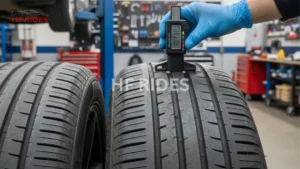
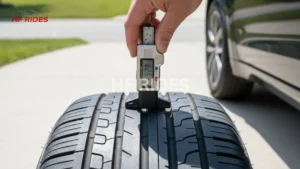
Measuring tread depth is essential to determine if replacing one tire is safe. Simple tools like a penny, quarter, or digital tread gauge can give reliable results.
-
Insert a coin into multiple grooves across the tire
-
Check front and rear axles for consistency
-
Note any significant variation in depth
Cost Comparison — Replace One vs Two vs Four Tires
Replacing a single tire may save money initially, but long-term risks can outweigh short-term savings. AWD vehicles are especially sensitive, and drivetrain repairs can cost hundreds to thousands of dollars if mismatched tires cause damage.
Replacing two tires on the same axle often balances cost and safety, preserving handling and traction.
Engineering and cost studies indicate that preventive pair replacements reduce wear imbalances and potential differential repairs, making them more cost-effective over a vehicle’s lifespan.
Expert Recommendation (Balanced Conclusion)
Replacing a single tire can be safe if done under the right conditions. Follow these research-backed rules to reduce risk:
-
AWD vehicles: replace in pairs or match tread precisely
-
FWD/RWD vehicles: one tire may be safe if the tread difference is minimal
-
Can You Replace Just One Tire on AWD Vehicles? Never ignore the tread depth difference
-
Always match size, load rating, and tire model
-
Check alignment and suspension before installation
Frequently Asked Questions
Common questions asked about changing one or more tires, safety, and vehicle performance.
What happens if I change only one tire?
Replacing a single tire can be safe if tread depth, size, and brand match the other tires. Mismatched tires may reduce braking efficiency and traction, especially on AWD or 4WD vehicles.
Can I upgrade from 225 to 235 tires safely?
Increasing tire width affects handling, speedometer accuracy, and ABS calibration. Always check your vehicle’s manufacturer specifications before upgrading to a wider tire.
Do I need to replace tires in pairs?
Replacing tires in pairs on the same axle is recommended if tread differences exceed 3/32”. This ensures proper handling, traction, and braking balance for safer driving.
Is it safe to replace just one tire on AWD vehicles?
AWD vehicles are sensitive to tread diameter differences. Even small mismatches can strain the differential and transfer case. Replacing all tires or matching tread diameter precisely is safest.
Where should I place a new tire on my car?
Always place a new tire on the rear axle for better stability and hydroplaning resistance, regardless of whether your car is FWD or RWD.
Can I mix tire brands or tread patterns?
Mixing brands or tread patterns can affect handling, braking, and ABS response. For optimal safety, all tires should match in brand, model, and tread pattern.
Is it safe to mix tire sizes on a car?
Mixing sizes is risky, especially on AWD/4WD vehicles. Even small diameter differences can reduce traction and put stress on the drivetrain.
Can slightly worn tires reduce safety if replaced alone?
Even minor tread differences between new and worn tires can reduce braking and stability. AWD vehicles are most sensitive, while FWD and RWD are less affected.
When should I replace all four tires at once?
Replacing all tires is recommended for AWD/4WD systems or when multiple tires are worn. This prevents drivetrain strain and ensures balanced traction across all wheels.
How does tread depth affect single tire replacement?
Larger tread differences increase the risk of instability and drivetrain stress. Always measure tread depth carefully before replacing a single tire to ensure safety.
Conclusion
Replacing just one tire on your car can be safe, but only under specific conditions. For FWD or RWD vehicles, ensure the tread difference is under 2/32” and the tire matches size, brand, and model. For AWD/4WD cars, mismatched tires can strain the drivetrain — replacing in pairs or all four is often recommended.
Always measure tread depth across multiple grooves, place new tires on the rear axle for stability, and avoid mixing brands or sizes. Following these research-backed guidelines preserves handling, braking, and overall vehicle safety.

Hfrides.com provides easy-to-understand car maintenance guides and troubleshooting tips. With real hands-on experience, we simplify complex automotive topics. Our goal is to help drivers save money, avoid repairs, and keep their cars running longer.