
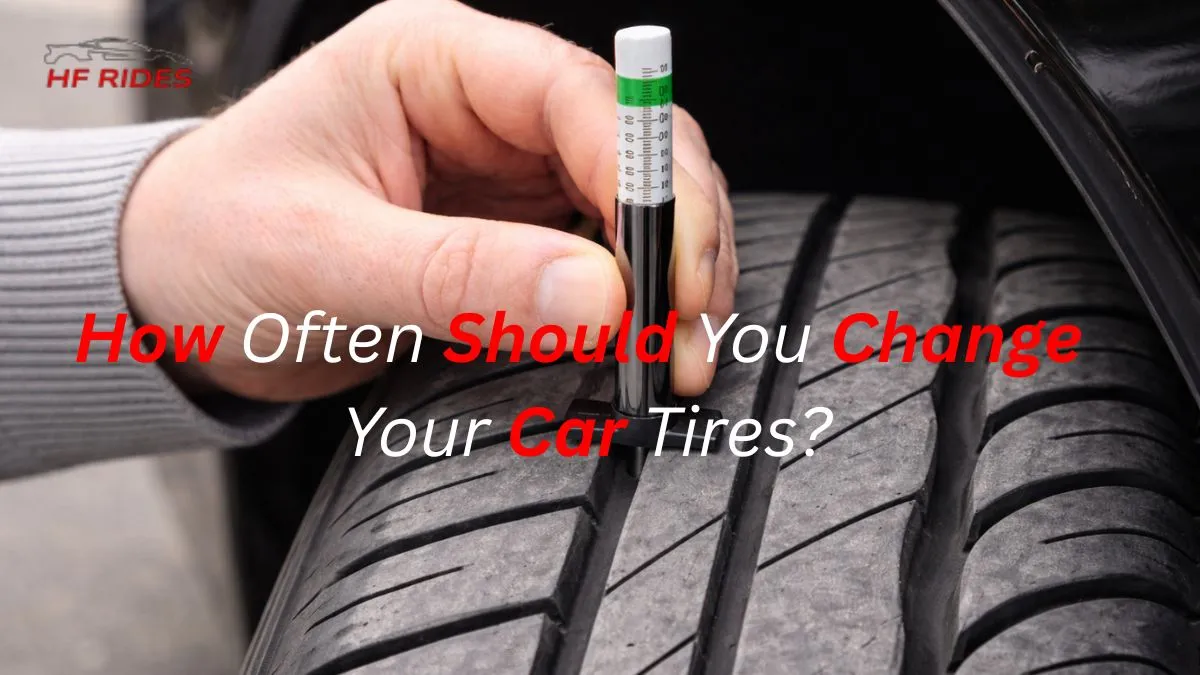
Replace your car tires every 6 years or sooner if the tread is below 2/32 inches. Check for cracks, bulges, or uneven wear, and consider climate, driving habits, and road conditions. Always read the DOT code to know tire age and maintain proper pressure for safety.
Introduction
Tires are the only part of your car that touches the road, making them critical for safety, braking, and traction. Driving on worn or damaged tires can lead to accidents, longer braking distances, and poor handling.
Knowing how often should you change your car tires helps you avoid these risks and keep your vehicle performing at its best. Regular checks and timely replacements can save you money and prevent emergencies.
Tire lifespan depends on several factors: tread depth, tire age, driving habits, and climate conditions. Even if your tires look fine, they can degrade over time, especially in hot, cold, or rainy regions, which affects grip and safety.
Checking your tires regularly—through tread inspection, sidewall examination, and DOT code reading—ensures you know when it’s time for a replacement. Simple steps now prevent bigger problems later.
Understanding Tire Lifespan
Tires naturally degrade over time, even if you haven’t driven many miles. That’s why knowing how often you should change your car tires is key to your safety on the road.
Most experts recommend replacing tires every 6 years, even if the tread looks fine. Tires older than 10 years should never be used, regardless of mileage. This is because rubber breaks down and becomes more prone to cracking or blowouts.
Environmental conditions can speed up tire wear. Cars in hot, cold, or rainy climates may need replacements sooner, even if they drive less than average. Heavy sun, freezing temperatures, or frequent wet roads all contribute to faster aging.
You can check tire age using the DOT code on the sidewall. This 4-digit code shows the week and year of manufacture, helping you plan timely replacements before tires become unsafe.
Proper maintenance—like rotating tires, checking alignment, and maintaining correct pressure—can extend tire life, but age remains the most important factor. Regular checks help prevent emergencies and costly repairs.
Tread Depth – How It Determines Tire Replacement
Tread is the patterned surface on your tires that helps them grip the road. Knowing how often you should change your car tires depends heavily on tread depth, because worn tread increases the risk of slipping and accidents.
Legally, most regions require a minimum tread of 2/32 inches. For better safety, experts recommend replacing tires at 4/32 inches in summer and 6/32 inches in winter or rainy areas, where roads are slicker.
You can measure tread depth in a few simple ways. The penny test involves inserting a coin into the grooves—if Lincoln’s head is fully visible, your tires need replacing. A tread depth gauge gives a more precise reading, usually in 32nds of an inch.
Visual and Physical Inspection for Tire Safety
Even if your tread depth looks fine, tires can still be unsafe. Regular visual inspections help spot damage that could cause blowouts or accidents.
Check for cracks, bulges, cuts, or punctures on the sidewalls. Any visible damage, even small, can compromise tire strength and mean it’s time for a replacement.
Look for uneven wear patterns, which may indicate alignment, suspension, or balancing problems. Fixing these issues early can extend the life of your new tires.
Always monitor tire pressure, as underinflated tires wear faster and can reduce grip. Extreme temperatures or seasonal changes can cause pressure fluctuations, so adjust accordingly.
Performing these simple inspections monthly ensures your tires stay safe and prevents unexpected failures on the road.
Factors That Affect Tire Lifespan
Several factors influence how often should you change your car tires, beyond just age and tread depth. Understanding these helps prevent premature wear and ensures safety.
Driving habits play a big role. Aggressive acceleration, hard braking, or frequent sharp turns can wear tires faster than normal driving.
Road conditions also matter. Rough, uneven, or pothole-filled roads can reduce tire life, while smooth highways are gentler on tires.
Climate and environment impact tires as well. Extreme heat can cause rubber to crack, cold can reduce flexibility, and wet conditions can accelerate tread wear.
Other considerations include vehicle load and maintenance. Overloading a car, skipping rotations, or misaligned wheels can all shorten tire life. Regular checks and proper care maximize safety and performance.
How to Safely Replace Your Tires
Replacing tires at the right time is crucial for safety and performance. Knowing how often you should change your car tires ensures you don’t wait until it’s risky.
Always replace tires in pairs or all four at once, especially on AWD vehicles. Mismatched tire sizes can affect handling and even damage your drivetrain.
Use the DOT code and tread depth to verify tire age and condition. Even new-looking tires can be unsafe if they are too old or have hidden damage.
Proper installation is key. Ensure tires are mounted correctly, balanced, and aligned. This prevents uneven wear, improves handling, and extends tire life.
Regular replacement combined with rotation, pressure checks, and alignment ensures your car drives safely and efficiently in all conditions.

Seasonal and Climate Considerations for Tire Replacement
Your tires perform differently depending on the season and climate. Knowing how often to change your car tires depends on the weather conditions where you drive.
Winter tires have deeper treads and flexible rubber for cold, icy, or snowy roads. Using them in warm weather can wear them out faster, so timing replacement is important.
Summer and all-season tires are designed for dry or wet roads in warmer climates. Driving them in extreme cold can reduce grip and safety, signaling that an earlier replacement may be needed.
Regions with heavy rain or frequent storms require more tread depth for proper water dispersion. Tires that struggle to channel water increase hydroplaning risk and should be replaced sooner.
By adjusting tire replacements based on seasonal and climate factors, you maintain grip, control, and safety year-round.
Studies indicate that extreme temperatures cause tires to lose elasticity faster, increasing the risk of cracking and reduced grip during seasonal transitions.
Signs It’s Time to Replace Your Tires
Even with regular checks, tires can show clear signs that it’s time for replacement. Knowing how often you should change your car tires helps you act before safety is compromised.
Look for visible cracks, bulges, cuts, or punctures on the tire sidewalls. Any of these issues, even minor ones, can lead to blowouts or accidents.
Pay attention to uneven tread wear. This could indicate alignment, balancing, or suspension problems, which can shorten the life of new tires.
Notice changes in traction or handling. If your car slips during turns, slides in rain, or takes longer to stop, your tires may be too worn for safe driving.
Also, check tire pressure regularly. Tires that frequently lose pressure may be damaged or age faster than expected, signaling the need for replacement.
DIY Checks vs Professional Inspection
Regular inspections help you know how often you should change your car tires, but some checks are best left to professionals.
DIY checks include tread depth measurement, visual inspection for cracks or bulges, and monitoring tire pressure. These are quick ways to spot obvious issues at home.
Professional inspections go deeper. Mechanics can identify alignment problems, internal tire damage, uneven wear patterns, and sidewall weaknesses that aren’t visible from the outside.
Combining DIY checks with annual or semi-annual professional inspections ensures your tires are always safe, prolongs their life, and prevents unexpected failures on the road.
Frequently Asked Questions
Common questions about when to replace car tires.
How often should you replace SUV tires?
SUV tires should generally be replaced every 6–10 years, or sooner if tread depth is below 4/32” in summer or 6/32” in winter. Driving conditions, climate, and load affect SUV tire lifespan.
How long do tires last on average?
Most tires last 6–10 years or around 50,000–60,000 miles, depending on driving habits, road conditions, and climate. Regular checks ensure safety and optimal performance.
How often does the average person change tires?
The average driver replaces tires every 5–7 years or roughly every 40,000–60,000 miles, depending on usage, climate, and tire maintenance.
Can tires last 60,000 miles?
Yes, many tires last up to 60,000 miles, but lifespan depends on driving style, road conditions, maintenance, and climate. Check tread depth and age to ensure safety.
Should I replace all tires at once?
It’s safest to replace all four tires together, especially on AWD vehicles, to maintain even traction, proper handling, and prevent drivetrain damage.
How can I tell if my tires need replacing?
Check tread depth, sidewalls for cracks or bulges, tire age via DOT code, and uneven wear patterns. Any warning signs mean it’s time for new tires.
Do climate conditions affect tire replacement frequency?
Yes, hot, cold, rainy, or snowy climates accelerate tire wear. Tires in extreme conditions may need replacing earlier than the typical 6–10 year range.
Can low tire pressure shorten tire lifespan?
Absolutely. Underinflated tires wear unevenly and reduce grip, which shortens their lifespan. Regularly check and maintain the recommended pressure.
How often should I have a professional tire inspection?
Even with DIY checks, a professional inspection every 12 months helps catch hidden issues like alignment problems, sidewall damage, or internal tire weaknesses.
When should I replace tires on rarely driven cars?
Even if a car isn’t driven often, tires can age and degrade. Experts recommend replacing tires every 6–10 years, regardless of mileage, to prevent cracks or blowouts.
Conclusion & Key Takeaways
Knowing how often you should change your car tires is key to staying safe on the road. Tires wear over time, even if they look fine, and replacing them at the right time prevents accidents and costly repairs.
Monitor tread depth, tire age, visible damage, and tire pressure regularly. Environmental conditions, driving habits, and vehicle load all affect tire lifespan.
Perform DIY checks at home and complement them with professional inspections to catch hidden issues early. Replace tires in pairs or all four at once for best performance, especially on AWD vehicles.
By staying proactive, adjusting for seasonal and climate conditions, and following proper maintenance, you can extend tire life, improve safety, and enjoy a smoother driving experience.
Research confirms that replacing tires based on age, tread depth, and warning signs helps prevent sudden failures and improves overall road safety.

Hfrides.com provides easy-to-understand car maintenance guides and troubleshooting tips. With real hands-on experience, we simplify complex automotive topics. Our goal is to help drivers save money, avoid repairs, and keep their cars running longer.